
-
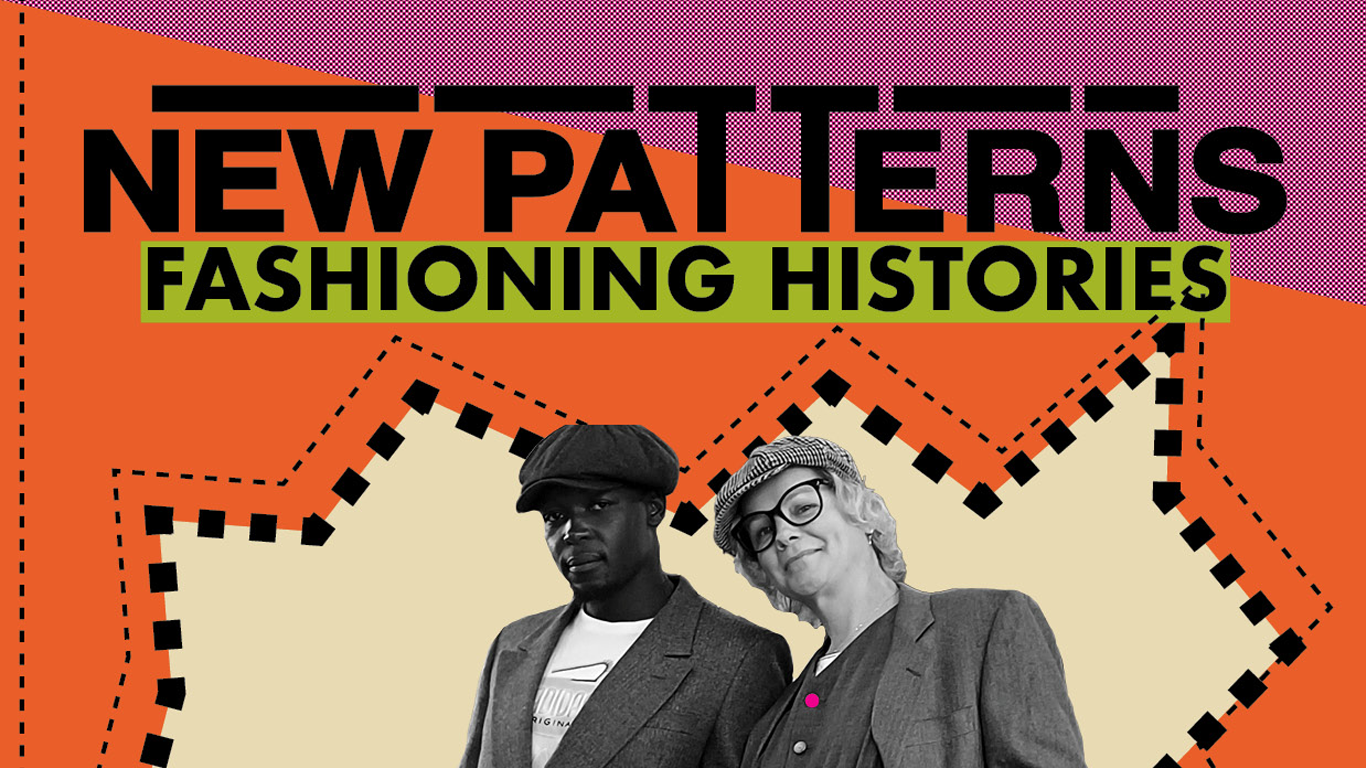

Fashioning Histories draws on Daveyton* as its key reference. Like many other places in South Africa, Daveyton is a place filled with overlooked fragments of history despite its rich layers of self-fashioning, migrational labour, and music cultures that have long shaped fashion.
Participants explore their own site-specific narratives in response to creative prompts using archival garments, heirlooms, or photo albums. The material and oral research inform the rewriting, restaging, and remaking of a local story tied to place, filled with emotion, and showcasing local identities. Creating access to diversified African fashion research is key to decolonising and shifting our narratives.
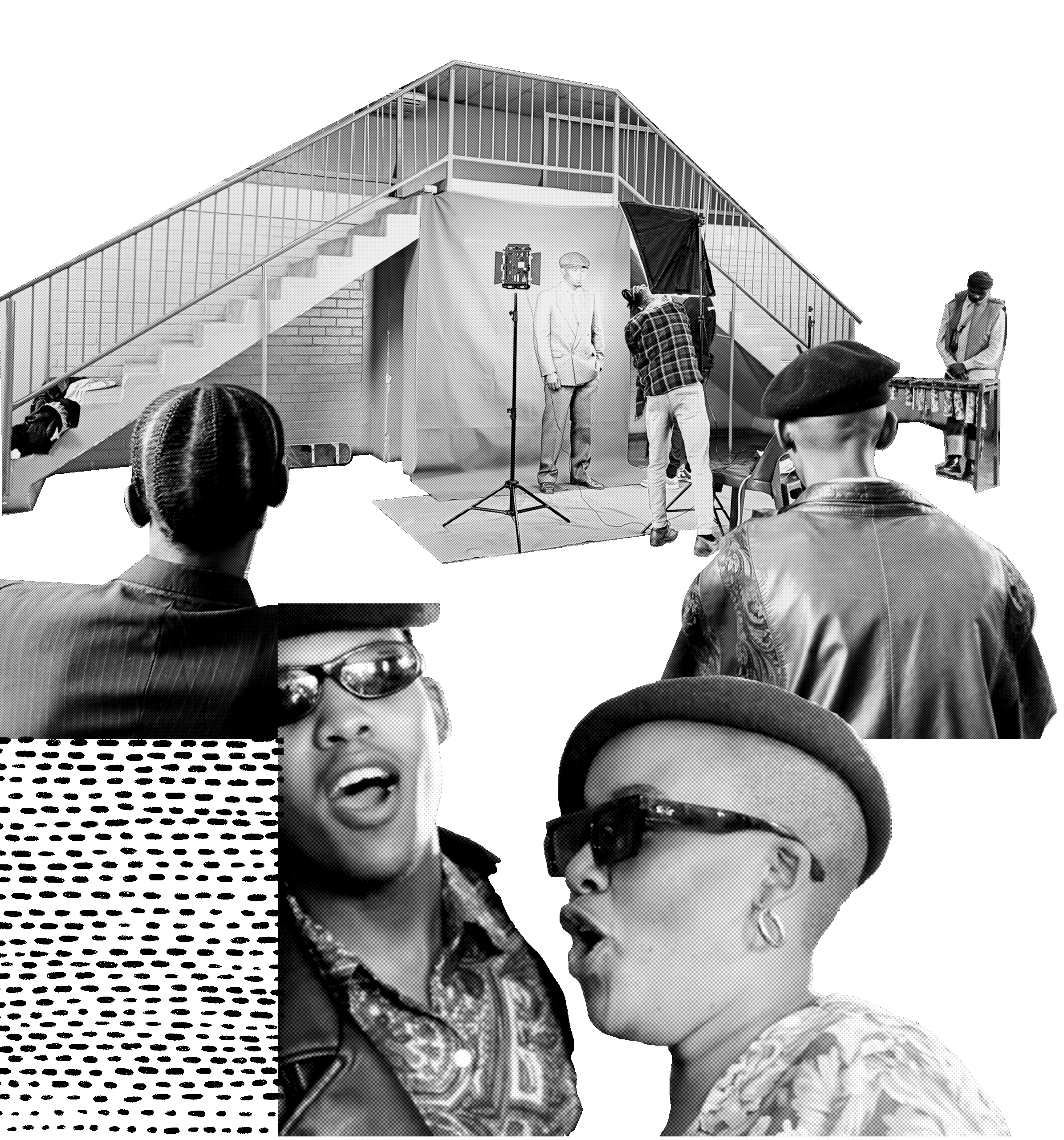

Part 1 can take place over one day (as full-time), over a weekend (more relaxed), or over three days (as part-time).
- Fashion as Memory-work
- (Decolonising) Histories
- Stories Matter
Part 2 can take place over one day (as full-time), over a weekend (more relaxed), or over three days (as part-time).
- Preparation
- Recreation
- Promotion
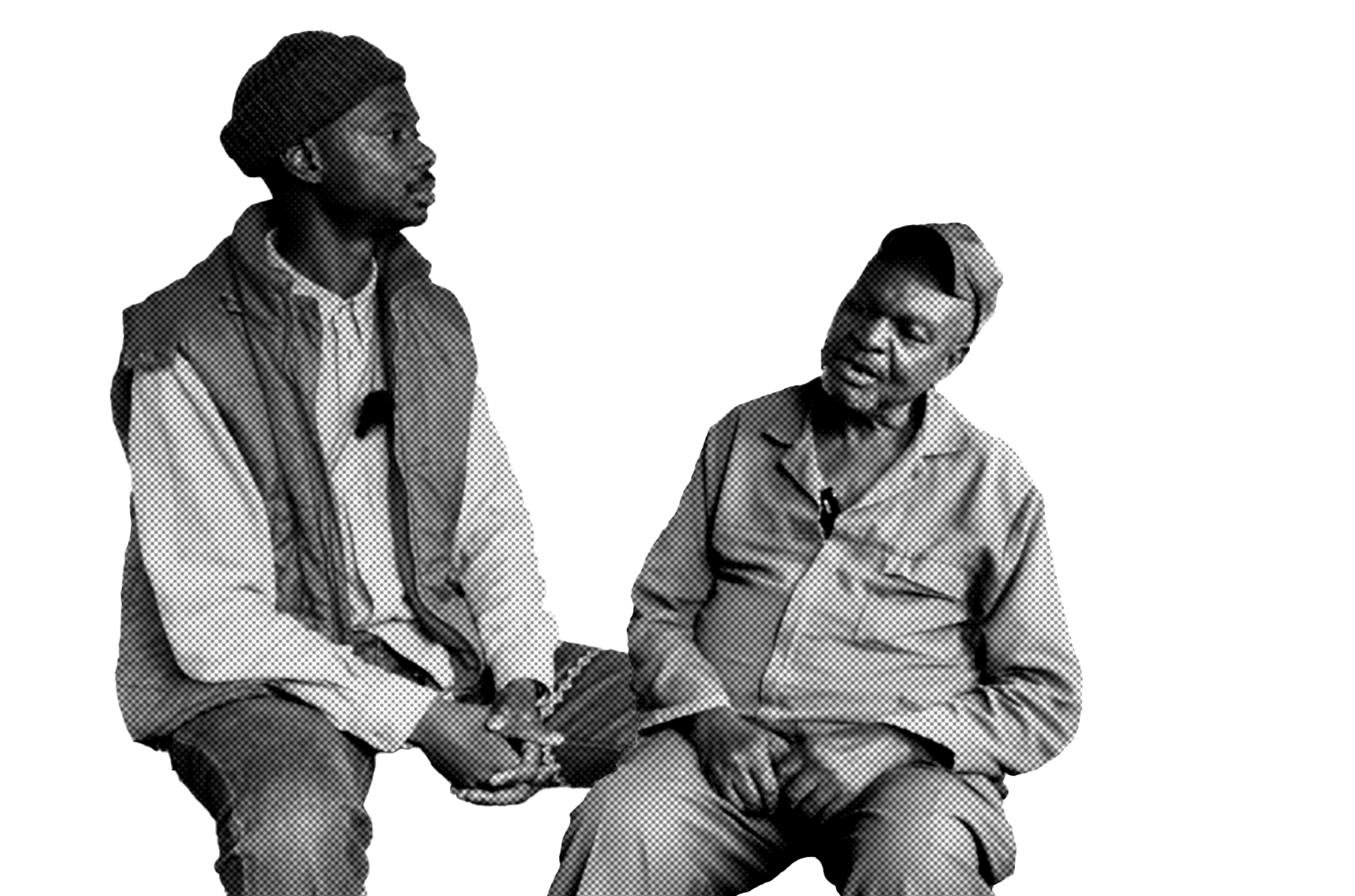

New Patterns decenters fashion knowledge production – ways of teaching and learning – and welcomes new, decolonial fashion knowledges – content, frameworks, publications – to emerge. All participants are valued key thinkers and creators, each bringing with them rich archives and repertoires of knowledge. Each individual or group will engage in research, reflect, and remake a fashion history by drawing on multiple memories and locating fashion histories in new places.
Fashioning Histories is a learning journey using a memory-led methodology developed for students, designers, creatives, changemakers, cultural workers, and activists. It serves as part of a series that prompts New Patterns to emerge. This workbook offers individuals and groups ways to thicken their creative practice through explorative (re)searching and (re)making to address concepts such as historical erasure, creative agency, cultural sustainability, local politics, and material power.
Fashioning Histories makes new connections between diverse histories and contemporary fashion practices and invites repair and historical justice by building trust and co-creating together.
Facilitator Write-Up | Learning Guide | Facilitator Notes | Links
ACTIVITY 1 — OR SKETCH
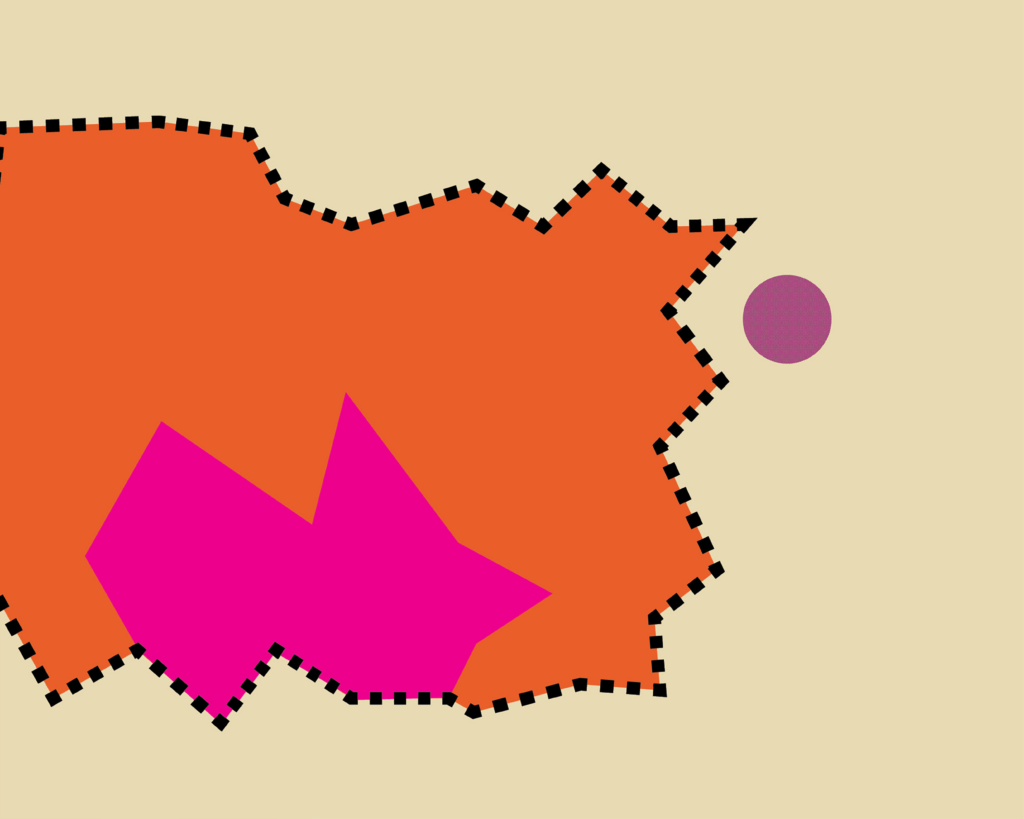
Bring one or more vintage fashion pieces (menswear, ladieswear, accessories) into the session. Try to include a mix of Western & indigenous fashion pieces (decolonise the content). Use the object to introduce yourself whilst recalling an event, a memory, a person, a movie. Photograph and label each of the objects or create a quick sketch of each. Briefly note down details of place, age, context, names, like an imaginative object biography. If you’re alone, create a story that connects the people, places, and events. If working in a group, co-create a plot that brings these people, places and events together, in other words, where the objects meet.
ACTIVITY 2 — WHOSE FASHION HISTORIES?
Concepts: Archival absence, coloniality of fashion, erasure and resistance. Practices: Critical discussion, keyword mapping, collective meaning-making. Takeaway: Fashion is not neutral; power decides whose histories are visible.
• Use keywords as anchors for later sessions.
• Ensure access to video (check data/download issues).
• Encourage connections to participants’ lived/local contexts.
• Time: ~2 hrs (solo) or 2–3 hrs (group).
ACTIVITY 3 — WORKING WITH FRAGMENTS
Concepts: Collaboration, oral history, critical fabulation. Practices: Interviewing, partnership building, role assignment. Takeaway: Absence can be a creative space; collaboration fills archival gaps responsibly.
• Brief participants on ethical interviewing (consent, respect, credit).
• Guide discussions about costs/resources realistically.
• Keep planning achievable, DIY is valid.
• Time: 1 hr interview + 2–3 hrs planning.
ACTIVITY 4 — STAGING HISTORY
Concepts: Performance as archive, embodiment, and history rewriting. Practices: Staging, styling, documentation. Takeaway: Recording is not neutral; it is an act of authorship and redress.
• Keep the set-up simple, emphasise improvisation over perfection.
• Note consent for images/recordings.
• Allow participants to experiment with multiple media forms (photo, sketch, sound).
• Time: 2–6 hrs, depending on ambition.
ACTIVITY 5 — EDITING & OUTPUT
Concepts: Metadata, authorship, narrative framing. Practices: Editing, text-writing, crediting. Takeaway: Editing is a decolonial practice, so credits, voices, and accessibility matter.
• Encourage participants to try both analog (cut & paste) and digital methods.
• Remind them to prepare proper credits.
• Discuss the emotional weight of multiple versions of memory.
• Time: 2–6 hrs.
ACTIVITY 6 — SHARING NEW PATTERNS
Concepts: Access, algorithms, networks of remembering. Practices: Strategic outreach, digital archiving, advocacy. Takeaway: Sharing is a political act; it changes the algorithm of history.
• Encourage practical, achievable next steps.
• Offer examples of unconventional sharing (WhatsApp groups, thrift stalls, school exhibitions).
• Remind participants that feedback is part of co-creation. • Time: 2–3 hrs.
-
Fashioning Histories draws on Daveyton* as its key reference. Like many other places in South Africa, Daveyton is a place filled with overlooked fragments of history despite its rich layers of self-fashioning, migrational labour, and music cultures that have long shaped fashion.
Participants explore their own site-specific narratives in response to creative prompts using archival garments, heirlooms, or photo albums. The material and oral research inform the rewriting, restaging, and remaking of a local story tied to place, filled with emotion, and showcasing local identities. Creating access to diversified African fashion research is key to decolonising and shifting our narratives.
Part 1 can take place over one day (as full-time), over a weekend (more relaxed), or over three days (as part-time).
- Fashion as Memory-work
- (Decolonising) Histories
- Stories Matter
Part 2 can take place over one day (as full-time), over a weekend (more relaxed), or over three days (as part-time).
- Preparation
- Recreation
- Promotion
New Patterns decenters fashion knowledge production – ways of teaching and learning – and welcomes new, decolonial fashion knowledges – content, frameworks, publications – to emerge. All participants are valued key thinkers and creators, each bringing with them rich archives and repertoires of knowledge. Each individual or group will engage in research, reflect, and remake a fashion history by drawing on multiple memories and locating fashion histories in new places.
Fashioning Histories is a learning journey using a memory-led methodology developed for students, designers, creatives, changemakers, cultural workers, and activists. It serves as part of a series that prompts New Patterns to emerge. This workbook offers individuals and groups ways to thicken their creative practice through explorative (re)searching and (re)making to address concepts such as historical erasure, creative agency, cultural sustainability, local politics, and material power.
Fashioning Histories makes new connections between diverse histories and contemporary fashion practices and invites repair and historical justice by building trust and co-creating together.
Facilitator Write-Up | Learning Guide | Facilitator Notes | Links
ACTIVITY 1 — OR SKETCH
Bring one or more vintage fashion pieces (menswear, ladieswear, accessories) into the session. Try to include a mix of Western & indigenous fashion pieces (decolonise the content). Use the object to introduce yourself whilst recalling an event, a memory, a person, a movie. Photograph and label each of the objects or create a quick sketch of each. Briefly note down details of place, age, context, names, like an imaginative object biography. If you’re alone, create a story that connects the people, places, and events. If working in a group, co-create a plot that brings these people, places and events together, in other words, where the objects meet.
ACTIVITY 2 — WHOSE FASHION HISTORIES?
Concepts: Archival absence, coloniality of fashion, erasure and resistance. Practices: Critical discussion, keyword mapping, collective meaning-making. Takeaway: Fashion is not neutral; power decides whose histories are visible.
• Use keywords as anchors for later sessions.
• Ensure access to video (check data/download issues).
• Encourage connections to participants’ lived/local contexts.
• Time: ~2 hrs (solo) or 2–3 hrs (group).
ACTIVITY 3 — WORKING WITH FRAGMENTS
Concepts: Collaboration, oral history, critical fabulation. Practices: Interviewing, partnership building, role assignment. Takeaway: Absence can be a creative space; collaboration fills archival gaps responsibly.
• Brief participants on ethical interviewing (consent, respect, credit).
• Guide discussions about costs/resources realistically.
• Keep planning achievable, DIY is valid.
• Time: 1 hr interview + 2–3 hrs planning.
ACTIVITY 4 — STAGING HISTORY
Concepts: Performance as archive, embodiment, and history rewriting. Practices: Staging, styling, documentation. Takeaway: Recording is not neutral; it is an act of authorship and redress.
• Keep the set-up simple, emphasise improvisation over perfection.
• Note consent for images/recordings.
• Allow participants to experiment with multiple media forms (photo, sketch, sound).
• Time: 2–6 hrs, depending on ambition.
ACTIVITY 5 — EDITING & OUTPUT
Concepts: Metadata, authorship, narrative framing. Practices: Editing, text-writing, crediting. Takeaway: Editing is a decolonial practice, so credits, voices, and accessibility matter.
• Encourage participants to try both analog (cut & paste) and digital methods.
• Remind them to prepare proper credits.
• Discuss the emotional weight of multiple versions of memory.
• Time: 2–6 hrs.
ACTIVITY 6 — SHARING NEW PATTERNS
Concepts: Access, algorithms, networks of remembering. Practices: Strategic outreach, digital archiving, advocacy. Takeaway: Sharing is a political act; it changes the algorithm of history.
• Encourage practical, achievable next steps.
• Offer examples of unconventional sharing (WhatsApp groups, thrift stalls, school exhibitions).
• Remind participants that feedback is part of co-creation. • Time: 2–3 hrs.

1 — OR SKETCH
This activity uses object biographies to surface memory, history, and cultural context embedded in fashion items. By engaging with garments or accessories, participants practice decolonial listening, treating objects not only as material artifacts but as carriers of erased, dismissed, or overlooked histories. The focus is on connecting lived experience with larger cultural patterns, and on co-creating narratives that foreground marginalised voices.
Concepts: Fashion-led research, object biography, memory work.
Practices: Decolonial listening, narrative weaving, visual ethnography.
Takeaway: Objects become entry points into erased/hidden histories; material culture can challenge dominant archives.
• Encourage participants not to worry about drawing skill, focus on memory/story.
• Be sensitive to emotional memories, allow silence, offer grounding breaks.
• For group work, ensure all voices are heard; rotate the role of storyteller.
• Time: ~1 hr (solo) or 2–3 hrs (group).
2 — WHOSE FASHION HISTORIES?
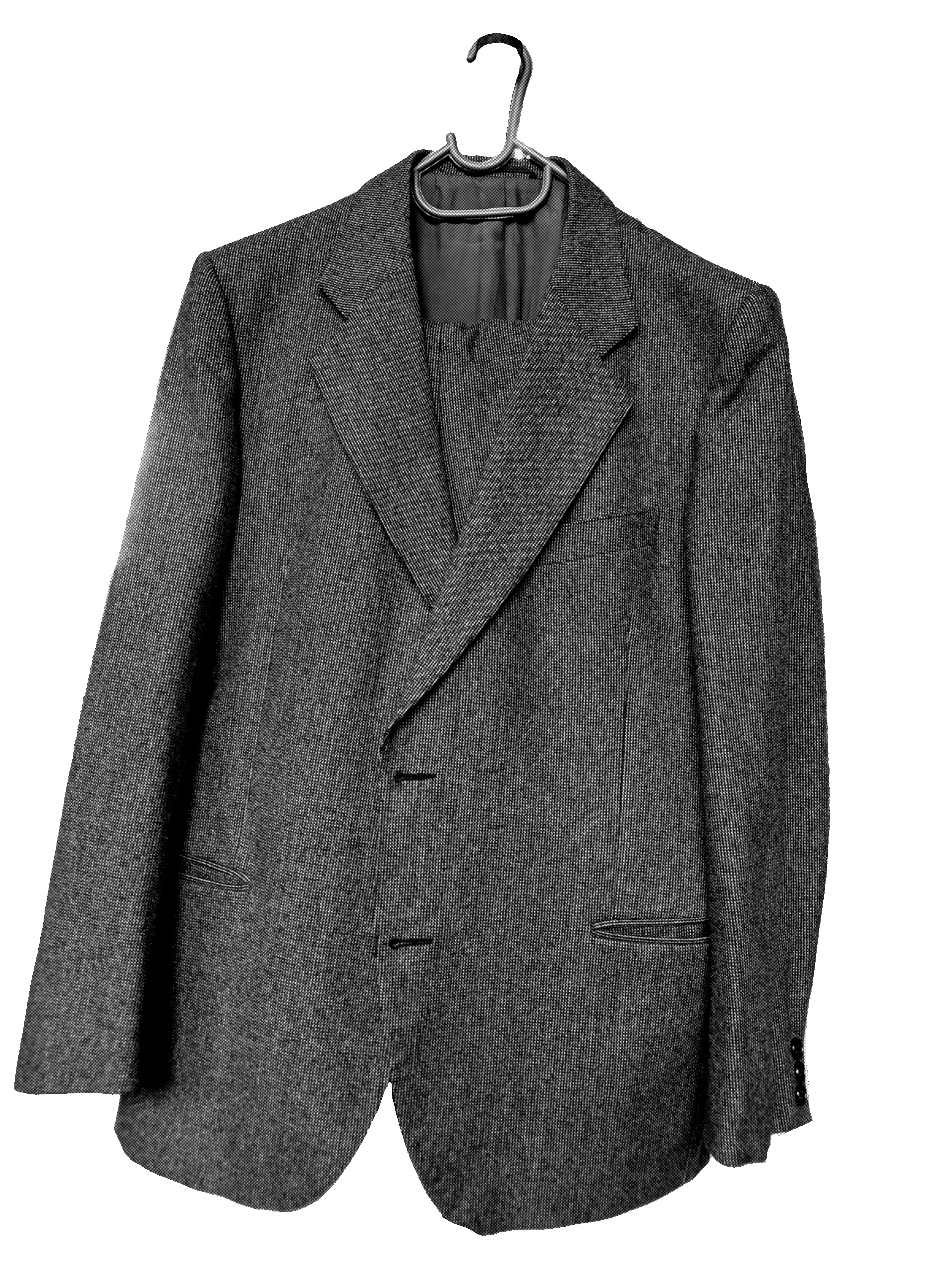
This session interrogates whose histories are preserved in dominant archives (textbooks, museums, Wikipedia) and the impact of these omissions. It asks participants to situate themselves critically in relation to power, economy, and colonial persistence in fashion knowledge.
Concepts: Archival absence, coloniality of fashion, erasure and resistance.
Practices: Critical discussion, keyword mapping, collective meaning-making.
Takeaway: Fashion is not neutral; power decides whose histories are visible.
• Use keywords as anchors for later sessions.
• Ensure access to video (check data/download issues).
• Encourage connections to participants’ lived/local contexts.
• Time: ~2 hrs (solo) or 2–3 hrs (group).

3 — WORKING WITH FRAGMENTS
This session interrogates whose histories are preserved in dominant archives (textbooks, museums, Wikipedia) and the impact of these omissions. It asks participants to situate themselves critically in relation to power, economy, and colonial persistence in fashion knowledge.
Concepts: Archival absence, coloniality of fashion, erasure and resistance.
Practices: Critical discussion, keyword mapping, collective meaning-making.
Takeaway: Fashion is not neutral; power decides whose histories are visible.
• Use keywords as anchors for later sessions.
• Ensure access to video (check data/download issues).
• Encourage connections to participants’ lived/local contexts.
• Time: ~2 hrs (solo) or 2–3 hrs (group).

4 — STAGING HISTORY
This activity emphasizes that history is made—it can be staged, embodied, and recorded. Participants transform preparation and performance into archival acts, addressing silences in dominant narratives.
Concepts: Performance as archive, embodiment, and history rewriting.
Practices: Staging, styling, documentation.
Takeaway: Recording is not neutral; it is an act of authorship and redress.
• Keep the set-up simple, emphasise improvisation over perfection.
• Note consent for images/recordings.
• Allow participants to experiment with multiple media forms (photo, sketch, sound).
• Time: 2–6 hrs, depending on ambition.
5 — EDITING & OUTPUT
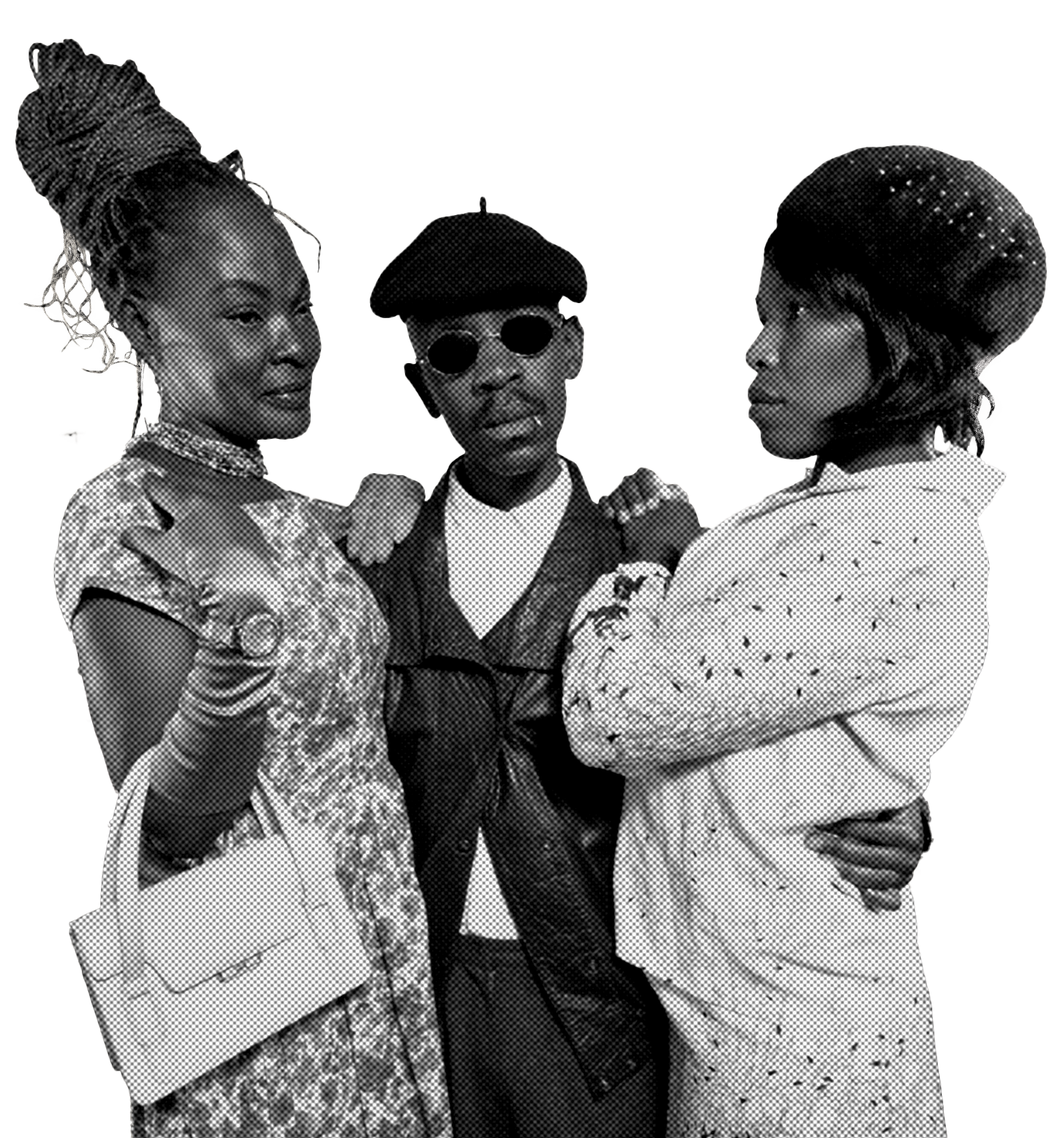
Here participants transform raw materials into shareable outputs (video, zine, collage, text). The process highlights editing as a political act; what is included/excluded shapes historical memory.
Concepts: Metadata, authorship, narrative framing.
Practices: Editing, text-writing, crediting.
Takeaway: Editing is a decolonial practice, so credits, voices, and accessibility matter.
• Encourage participants to try both analog (cut & paste) and digital methods.
• Remind them to prepare proper credits.
• Discuss the emotional weight of multiple versions of memory.
6 — SHARING NEW PATTERNS
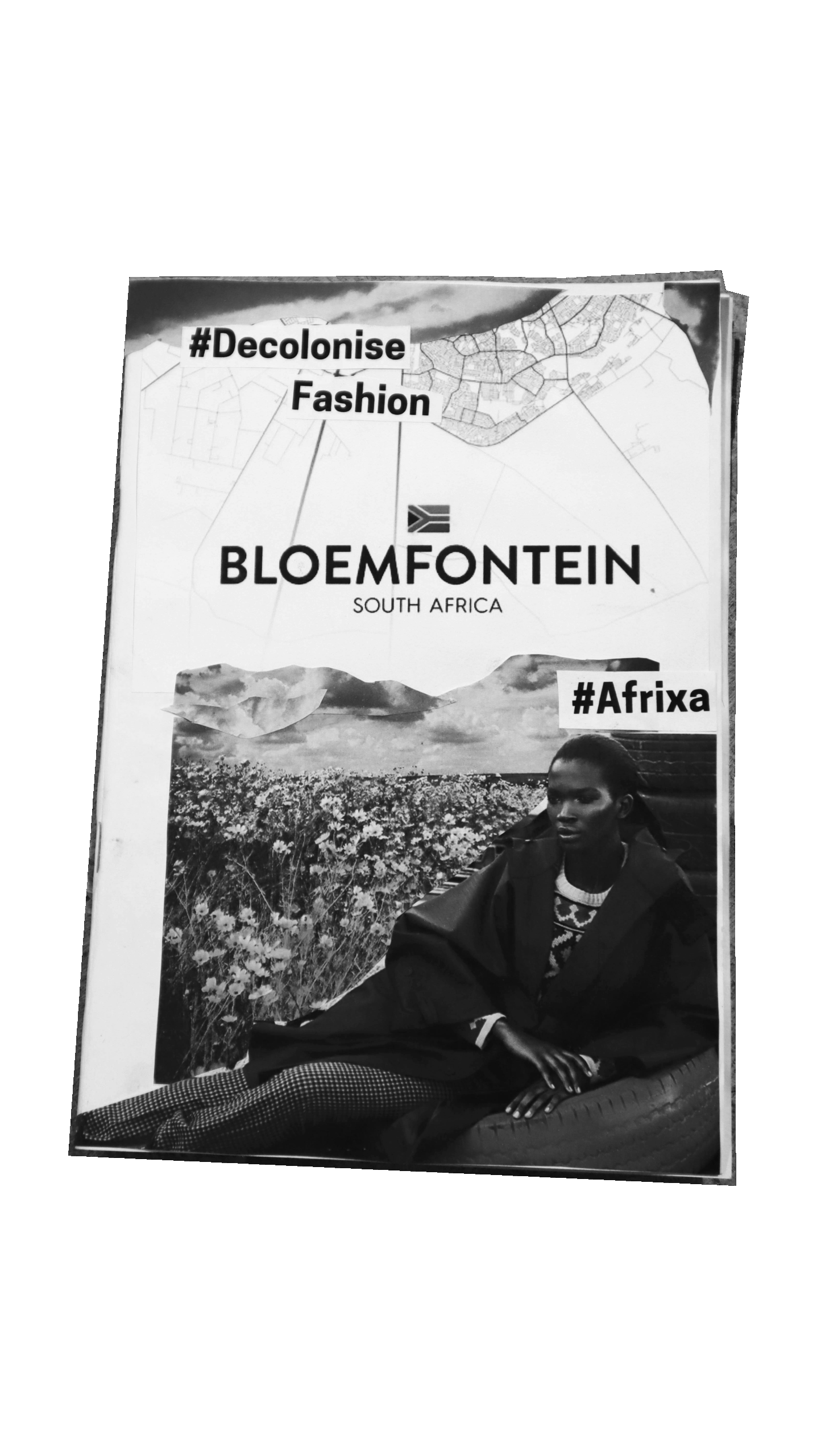
The final session consolidates the journey, foregrounding circulation, access, and future possibilities. Participants reflect on impact and strategise how to insert their outputs into wider networks.
Concepts: Access, algorithms, networks of remembering.
Practices: Strategic outreach, digital archiving, advocacy.
Takeaway: Sharing is a political act; it changes the algorithm of history.
• Encourage practical, achievable next steps.
• Offer examples of unconventional sharing (WhatsApp groups, thrift stalls, school exhibitions).
• Remind participants that feedback is part of co-creation.
• Time: 2–3 hrs.