
PROJECT
Afro-Sustainability and Indigenous Knowledge
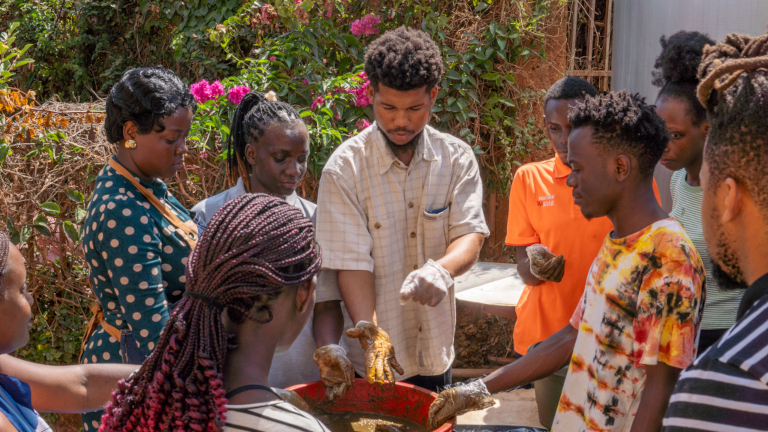
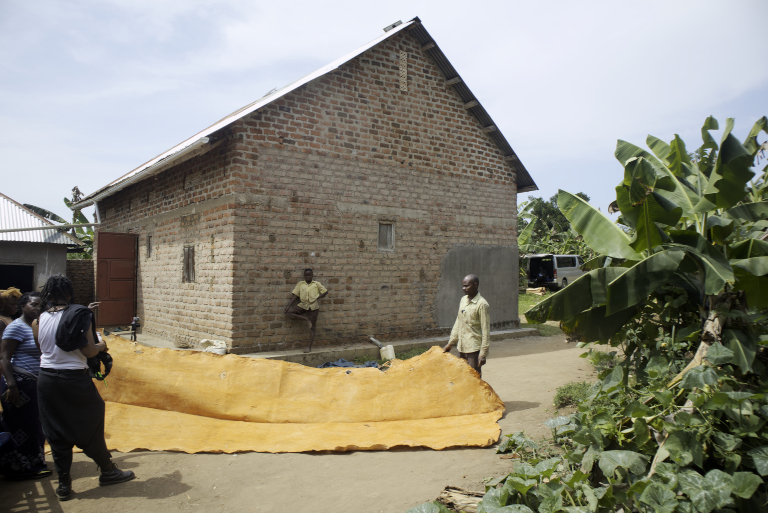
Afro sustainability is furthermore focused on the fact that Africa has the ability to spearhead sustainable practices with the incorporation of local people’s knowledge regarding mother nature. In Uganda, they delved into the Mutuba ower which provides the bark for Barkcloth. This tree has great significance in the ecosystem. The tree enriches the soil, is a source of timber, and prevents soil loss. To demonstrate radical farming practices, agricultural systems involving setting aside bananas and coffee trees with the Mutuba tree showed benefits economically and environmentally
Similarly, the KwaZulu-Natal leg of the residency incorporated concerns about soil degradation as well as climatic changes. Addressing health and biodiversity issues, experts illustrated employing practices like cover cropping along with agroforestry, which were all rooted in traditional agricultural systems, albeit with some changes.
Circular Economies and Craft Innovation
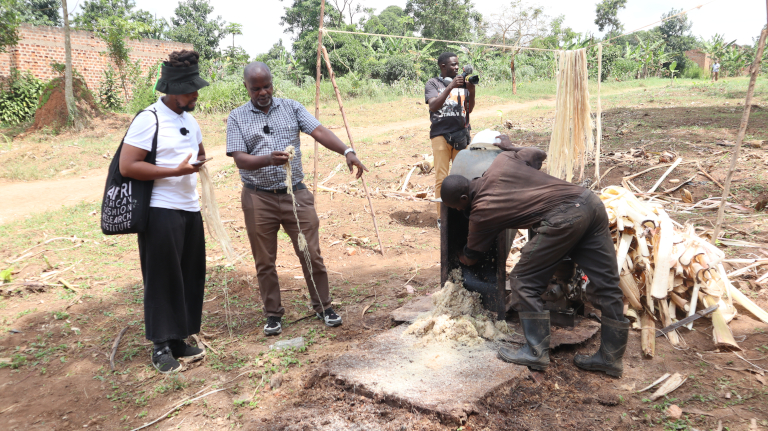
In Uganda, TEX FAD showcased a banana stem to yarn to textiles and back to fertilizer and energy, commending a form of zero waste production. Among them was the production of weaving looms and fiber stripping machines, where local artisans showcased their creativity and inventiveness. Such emphasis illustrates the need for appropriate craft-making approaches to sustainable design educational practices in Africa.
The residency also connected the barkcloth to the indigenous South African Isidwaba skirts.

A full-text reflection with additional images can be found at this link:
The Pan African Research Residency events were made possible with support from Business and Arts South Africa @bizart_za, the South African Department of Sport and Culture, Presidential Employment Stimulus, and the British Council ( @eastafricaarts )
